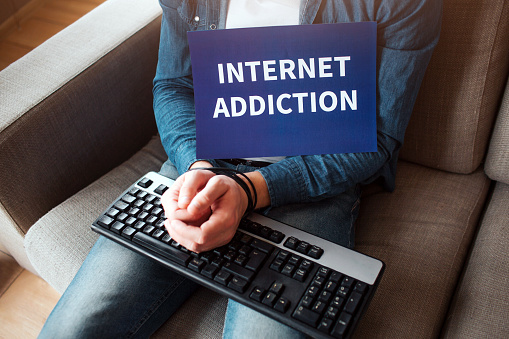
When Everyday Internet Use Starts to Feel Different
The internet is part of nearly every aspect of modern life. It helps people work, study, stay connected, and unwind after a long day. However, there is a point where normal use can shift into something more concerning. If you find yourself unable to control how much time you spend online, or if your internet habits are affecting your mood, relationships, or responsibilities, it may be a sign of internet addiction.
Internet addiction is a behavioral health condition that can develop gradually. Because digital use is so normalized, many people do not realize when their habits have become harmful until the impact is already affecting daily life.
Signs Your Internet Use May Be Out of Control
Recognizing the warning signs is an important step toward regaining balance. Internet addiction does not look the same for everyone, but there are common patterns to watch for.
Loss of Control Over Time Online
You may intend to spend a few minutes online but end up staying much longer than planned. Attempts to reduce usage may feel difficult or unsuccessful.
Neglecting Responsibilities
Work tasks, school assignments, household chores, or personal responsibilities may be delayed or ignored due to excessive online activity.
Emotional Dependence on Devices
Feelings of anxiety, irritability, or restlessness when not online can indicate emotional reliance on digital access.
Withdrawal From Real World Relationships
Spending more time online may lead to reduced face to face interaction with friends and family, resulting in emotional distance or isolation.
Changes in Sleep and Energy Levels
Late night internet use can disrupt sleep patterns, leading to fatigue, reduced focus, and low energy during the day.
What Causes Internet Addiction
Internet addiction is not caused by one single factor. It often develops through a combination of emotional, psychological, and environmental influences.
The Brain’s Reward System
Online platforms are designed to keep users engaged. Likes, notifications, achievements, and new content trigger dopamine responses in the brain, reinforcing repeated use.
Emotional Coping Mechanism
Many individuals turn to the internet to escape stress, anxiety, loneliness, or emotional discomfort. Over time, this can become a primary coping strategy.
Lack of Boundaries and Structure
Without clear limits around internet use, digital habits can gradually expand into more areas of daily life.
Underlying Mental Health Conditions
Conditions such as anxiety, depression, or ADHD may increase vulnerability to compulsive internet use as individuals seek stimulation or escape.
The Impact of Internet Addiction on Mental Health
Out of control internet use can have a significant effect on emotional and psychological well-being.
Increased Anxiety and Stress
Constant connectivity and online pressure can create ongoing feelings of stress and overwhelm.
Depression and Emotional Isolation
Excessive screen time can replace meaningful real world interaction, contributing to loneliness and low mood.
Difficulty Concentrating
Overstimulation from digital content can make it harder to focus on tasks that require sustained attention.
Paths to Recovery and Healing
Recovery from internet addiction is possible with the right support and treatment approach. Desktop Web Works provides compassionate, individualized care designed to help individuals regain control and rebuild balance in their lives.
Inpatient Treatment Programs
Inpatient care offers a structured environment away from digital triggers. With 24 hour support, therapy sessions, and holistic activities, individuals can focus entirely on healing and developing healthier habits.
Outpatient Treatment Programs
Outpatient care allows individuals to continue with daily responsibilities while receiving professional support. Therapy and counseling help clients apply recovery tools in real world situations.
Holistic and Faith Based Approaches
Healing is most effective when it addresses the whole person. Holistic care may include mindfulness practices, physical wellness routines, and stress management techniques. Faith based support can also provide meaning, comfort, and emotional strength during recovery.
Practical Steps to Begin Taking Control
In addition to professional treatment, small changes can help reduce compulsive internet use:
- Set clear daily limits for non essential screen time
- Create device free spaces such as bedrooms or dining areas
- Replace online habits with hobbies, exercise, or in person activities
- Track usage patterns to identify emotional triggers
- Strengthen real world relationships and support systems
Taking the First Step Toward Recovery
If your internet use feels difficult to control, it is important to know that you are not alone. Internet addiction is a real and treatable condition that responds well to structured care and compassionate support.
With the right combination of professional treatment, holistic healing, and personalized strategies, it is possible to restore balance, improve mental health, and reconnect with the parts of life that matter most. Reaching out for help can be the first step toward lasting recovery and a healthier relationship with technology.